VIA SANTA MARIA 102 · PISA
Some places
keep a story.
A college, a monumental doorway, two poets. Discover the people and ideas behind the address you are about to call home.
01 · FERDINANDO I DE’ MEDICI
Curiosity
needed a home.
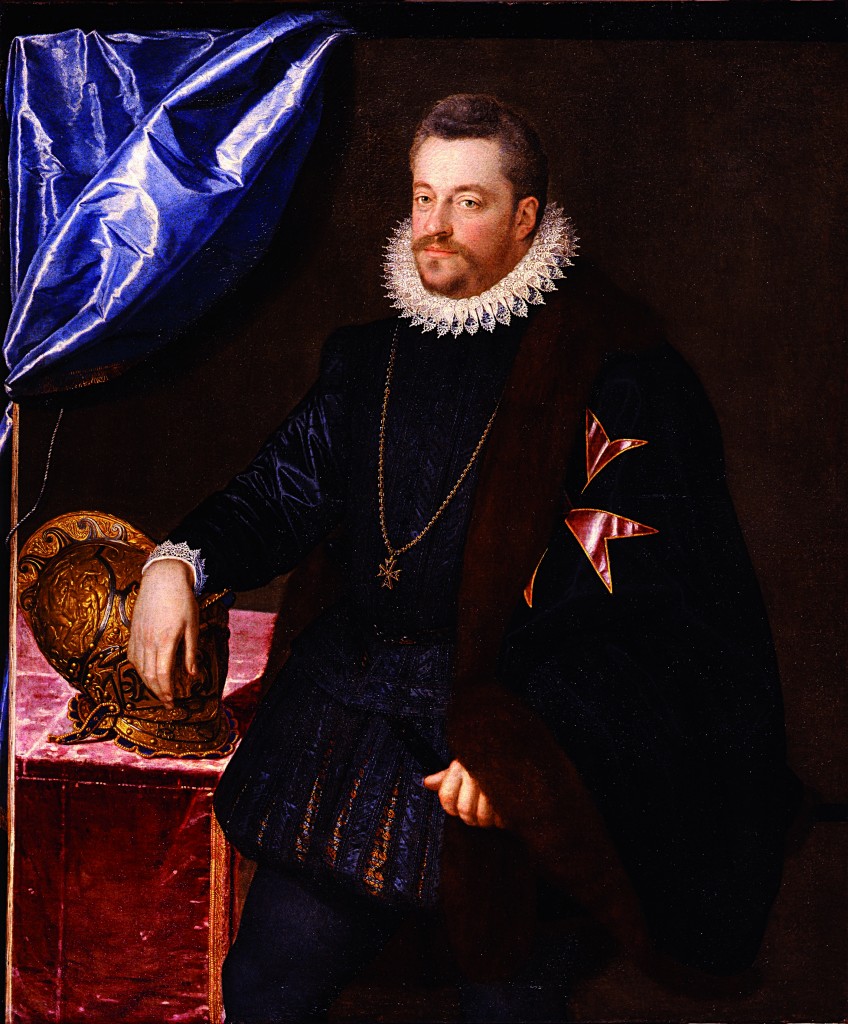
In 1593, Ferdinando I inaugurated a college on Via Santa Maria for deserving students, including those without the means to pay for their studies. The address became part of the Grand Duchy’s investment in Pisa as a city of learning.
The palace carries older layers too: Italy’s national heritage catalogue identifies the former Collegio as a building of medieval origin. The Medici chapter belongs to a longer architectural story.
02 · RAFFAELLO PAGNI & THE DOORWAY
Before you enter,
look up.
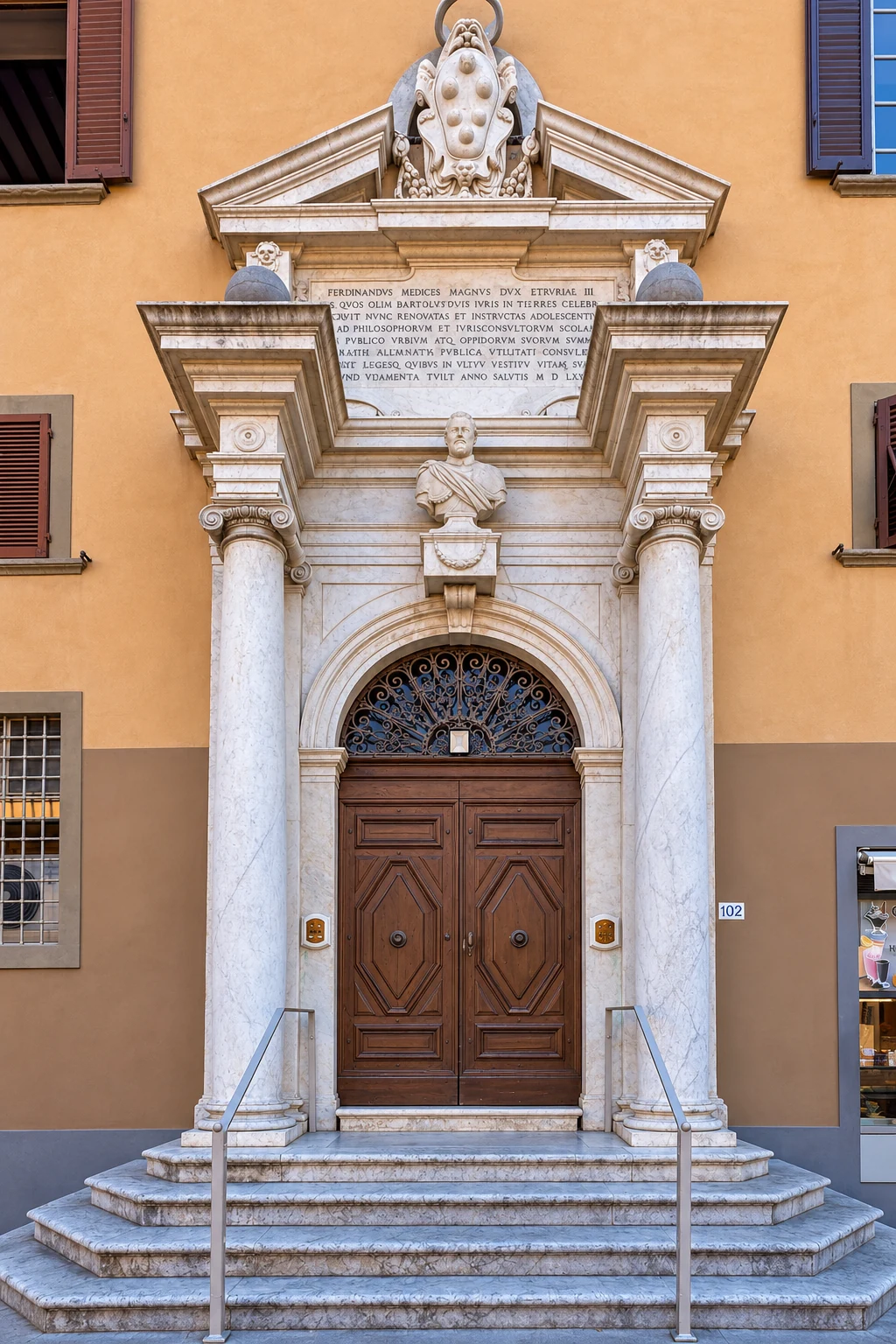
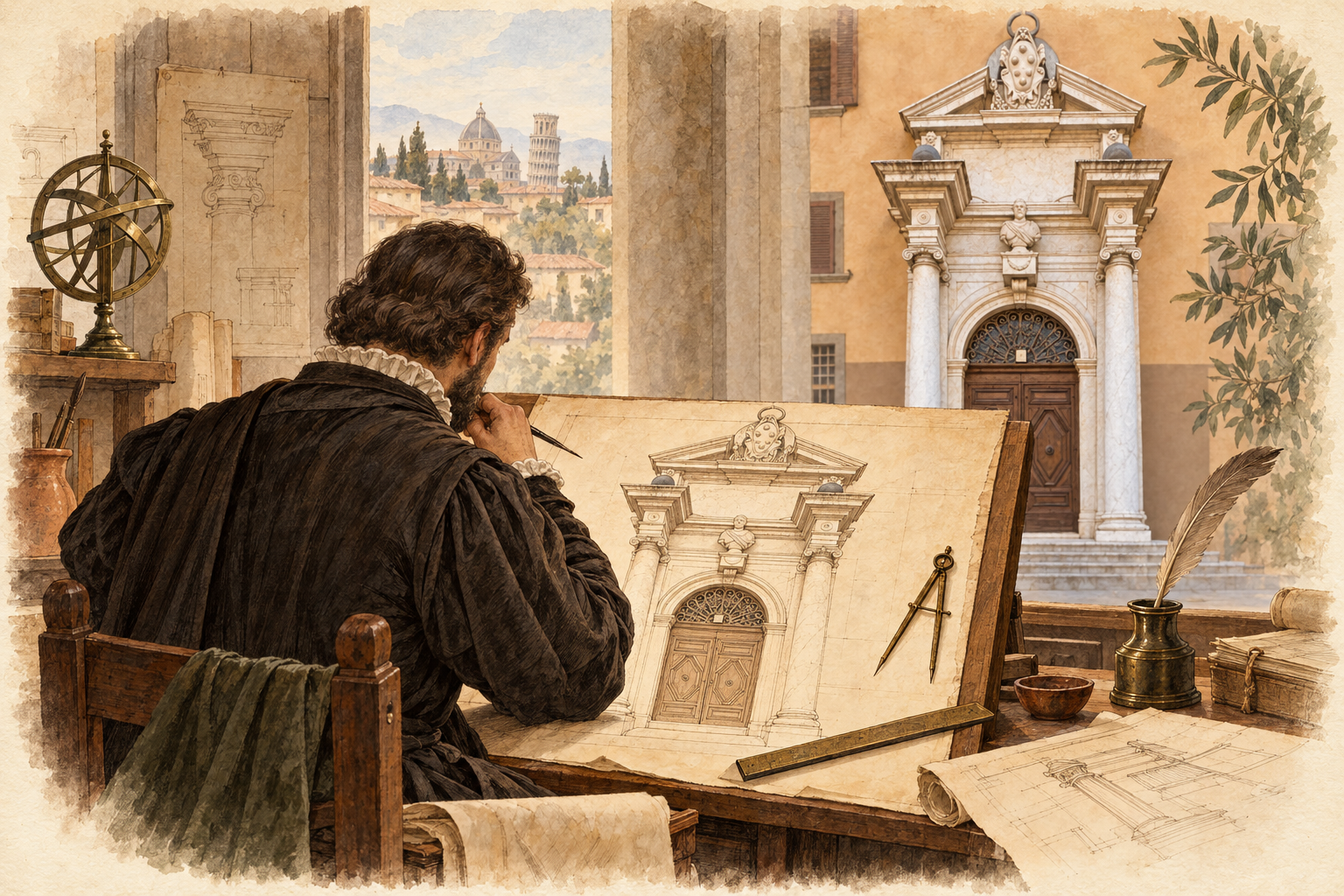
The name of Raffaello Pagni is linked to the Collegio’s architecture. The pale marble doorway, columns and bust of Ferdinando turn an ordinary arrival into an encounter with the Medici city.
Look at the real entrance as you step inside: the heraldic details, the inscription and the carefully composed stonework are part of the story that remains visible today.
A note on the architectural attribution
The city’s guide credits the doorway and bust to Raffaele Pagni. The Scuola Normale Superiore associates the architecture with Raffaello Pagni and describes the portal as designed by Giambologna. The sources are presented separately here.
03 · VASARI & HIS CIRCLE
A language
for the Medici city.
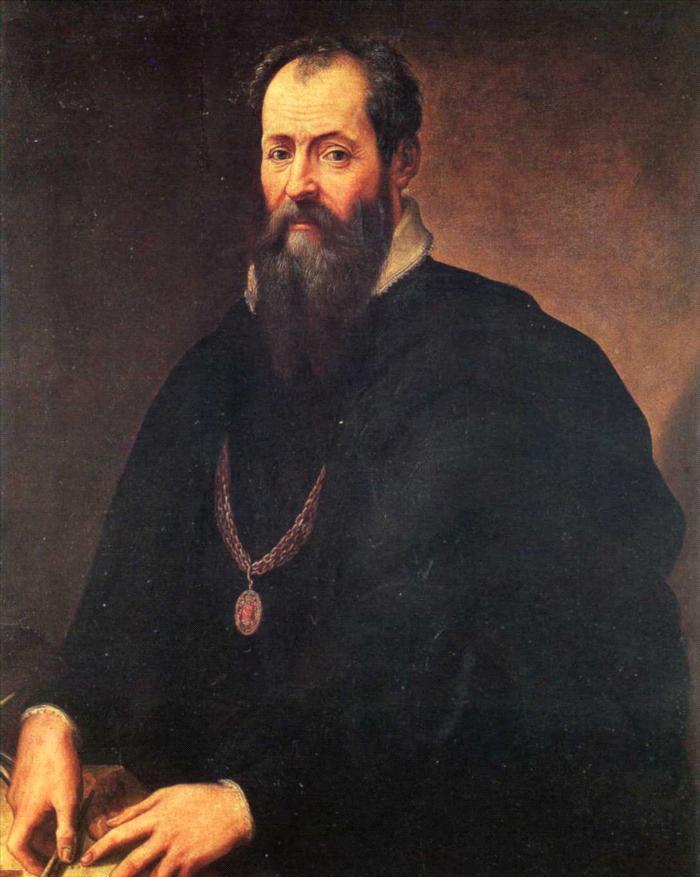
To discover Vasari’s Pisa, continue to Piazza dei Cavalieri. The façade of the Palazzo della Carovana was decorated from his designs and cartoons in 1564–1566. His artistic circle included Jacopo Zucchi, a pupil involved in the language of this Medici commission.
Vasari also appears in Elizabeth’s account of the Collegio. In a letter she described it as a house built by him; the Scuola Normale explains that this repeated an incorrect attribution circulating at the time. His role here is part of the city’s artistic context and the poets’ memory.
04 · ELIZABETH BARRETT & ROBERT BROWNING
Two poets.
A new life in Pisa.
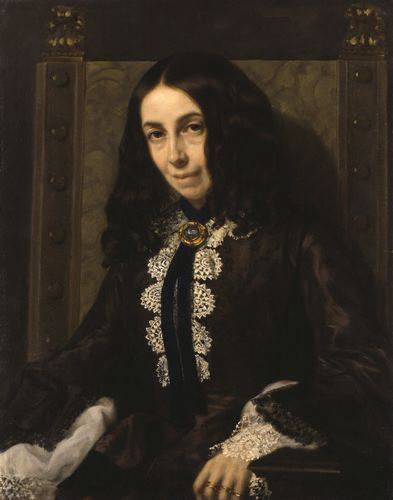
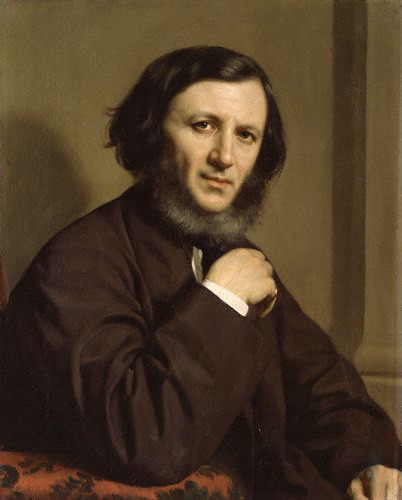
From October 1846 to the spring of 1847, Elizabeth Barrett Browning and Robert Browning lived in the former Collegio Ferdinando. They arrived in Italy after their marriage, with Elizabeth’s dog Flush, and found in Pisa time for work and a quieter daily life.
“within sight of the Leaning tower & the Duomo”
Elizabeth to Richard Hengist Horne · 4 December 1846
A letter to Julia Martin dated 22 October 1846 is headed “Pisa. Collegio Ferdinando”. This address belongs to their correspondence, not only to local tradition. Today’s accommodation names do not identify the exact rooms occupied by the poets.
05 · THE STORY CONTINUES
Now,
your own chapter.
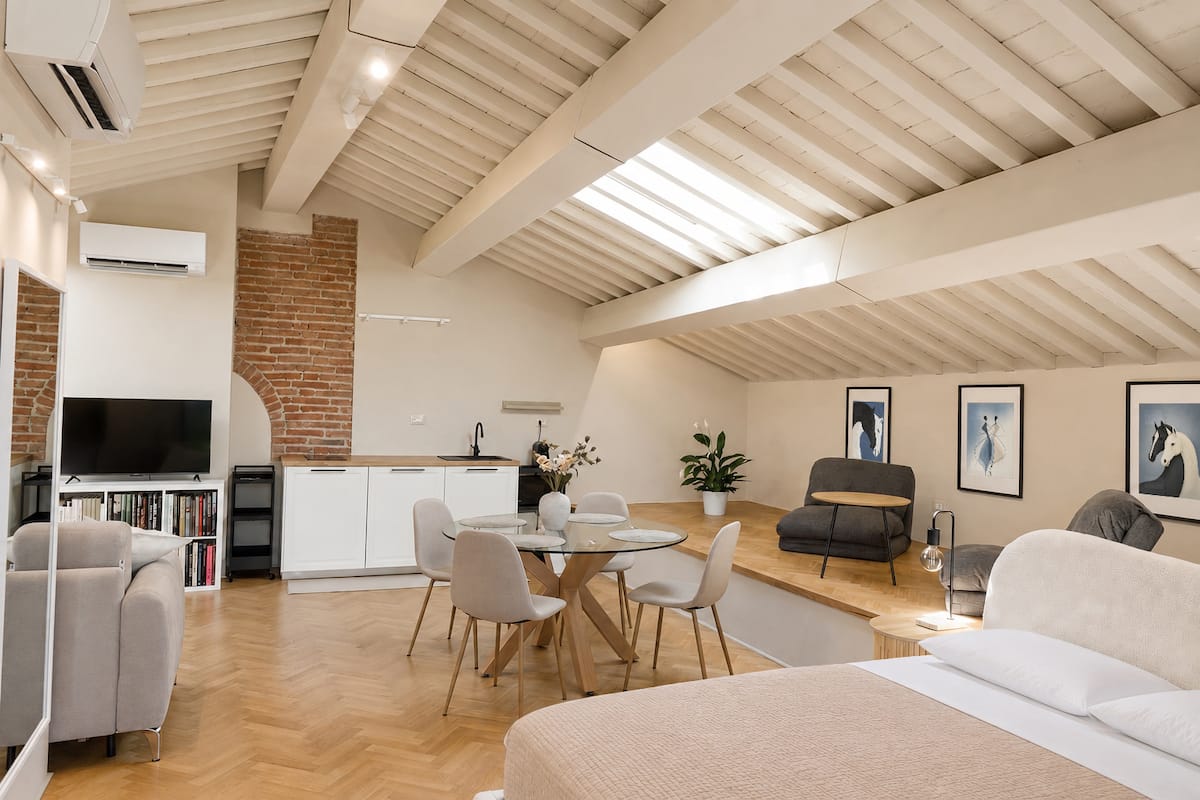
Three suites and two lofts, books to pick up and a city outside the doorway. The Collegio’s history is an invitation to look closer, and to make a little time for the place you are visiting.
Choose your staySources & image credits
- Comune di Pisa
- Scuola Normale Superiore, Claudio Tongiorgi, scheda Browning 2025
- The Brownings Correspondence, lettera EBB a Julia Martin, 22 ottobre 1846
- Scuola Normale Superiore
- Scuola Normale Superiore
- Ministero Cultura catalogo nazionale
Historical portraits are reproductions of artworks identified in museum and Wikimedia Commons records. File pages describe them as public-domain reproductions. The architect’s workshop is an AI-generated evocative illustration, not an archival image or an authenticated likeness.